Biofuel Development
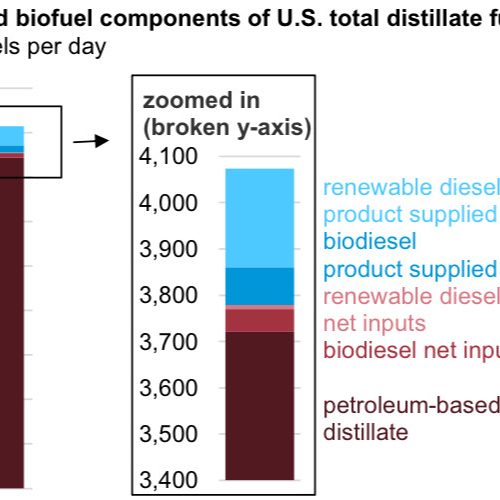
Our findings on biofuel is interesting. Biofuel infrastructure is already present so it will be the easiest and cheapest to deploy because there is no huge program funding behind it. Photosynthesis is the cheapest way to get CO2 out of air and that plays right into biodiesel’s game. Biofuel happens by converting biological matter to useable molecules. Raw material (corn, fats, wood) reacts with something (sugar, alcohol, hydrogen, heat), then be changed (sugar removal via yeast, fatty acids attach to methanol, oxygen removal from fat, syngas) and results in fuel (ethanol, biodiesel + glycerin, hydrocarbons, rebuilt via catalyst into liquid hydrocarbons). Again, through ways of photosynthesis, we can get CO2 out of air at the cheapest rate and store it in wood and soil. It is better in the sense that because CO2 is dilute and photosynthesis works best over time and accepts lower capture rate by using solar photons. The constraints are the speed of direct air capture, land quantity, and precision, but ultimately the best to start deploying right now (cheap and infrastructure is here) and work silently in background as decisions fluctuate. For pure energy reasons, biodiesel works great with geothermal for production, so areas with abundance of forest, life, and reservoirs will be efficient in production.

Politic's Landscape
The state of politics in the energy industry is inefficient to say the least. Load forecasts and demand are at an all time high in many, many niches within the energy landscape and while the politicians may be trying their best to make sure it’s a smooth transition, I believe there are things right under their noses that they miss or just outright ignore. One for example is their inability to address utilities' monopolies over the years with their rate based plans. Plans that put the utility under no harm whatsoever if a technology proves to not produce and must be dealt with. At the end of each year, FERC updates the costs annually based on things like taxes, deprecation, return on equity, etc., but the problem is energy is one of the industries that has to have fluctuations, not rigid structures updated once a year, and at that not even updated on the fact of anything to do with the energy being produced. The feel of energy politics now is rigid, so much so that hundreds upon hundreds of meetings with the biggest players in the field need to be held back to back to back. Time is calling for action, we need to get in, introudce projects, and assign more responsibility for errors when it’s due and provide breaks with incentives like credits when something proves to have an edge. What will not tolerate and inevitably effect the transition is complacency with the numbers. You just can’t hold up a handsome balance sheet and call it a day, as I’ve said before you actually have the address the nuances of the technology making that money flow. While I'm aware that politicians don’t as much as a feel on energy like the people in this industry has, just putting a number on the real life operations going on and diving to conclusions in calmer waters will never suffice.
Ammonia's Alignment
The process of the making of ammonia over the next years will be one to catch. The chemical is responsible for 50% of the nutrient sustenance that are in the crops being consumed across the globe. The thing about ammonia is that it is one of the harder to abate emissions but also extremely critical to keep online so it can serve us. This is one of the classic issues in this energy transition and our approach is simple. Blue ammonia is not the finale but the bridge over the next decade to make it make sense. Blue ammonia operates by producing ammonia as regular but with geological storage for emissions. One major facility is projected to capture 2 million metric tons of CO2 per year, which is equal to 800,000 gas cars being replaced with an EV. You add the impact on CO2 plus the credits from things like 45Q will inevitably be a considerable bridge toward a greener future. New technology considerations are freezers that freeze H20, separating the 25% of oxygen found in air and taking 75% of the nitrogen with the hydrogen and getting ammonia. Another opportunity for ammonia will be air electrolysis, running an electric current through the H20 and separating hydro gas from oxygen. AI integration into this process will be seamless, the machine learning capabilities will see vibration and pressure fluctuate with the rhythm of the technology. It will also evaluate temperature cautiously and give real time feedback on the capability of a machine. All of this with consistent infrastructure and policy will be a necessary element to add to this energy transition, but as investment is happening we will need agreements not